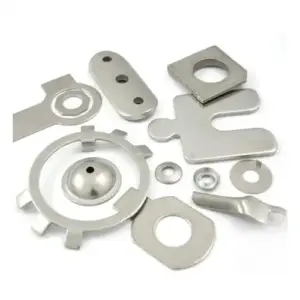
Energy storage enclosure sheet metal fabricator
Product Details
Products name: Energy storage enclosure sheet metal
Specifications: Irregular
Material: Aluminum-zinc coated sheet
Material Thickness: 2.0mm
Customization: Yes
Description
Processing Requirements for Energy Storage Sheet Metal Cabinets
Energy storage cabinets are precision sheet metal structures that require strict control throughout the manufacturing process. To ensure product quality, dimensional accuracy, structural reliability, and assembly performance, all fabrication processes must comply with approved engineering drawings, technical specifications, and manufacturing standards.
The following requirements define the key processing standards for energy storage sheet metal cabinet production.
1. General Manufacturing Requirements
1.1 Compliance with Drawings and Process Standards
All production activities shall be carried out strictly according to approved engineering drawings and manufacturing process documents.
When differences exist between drawings and process requirements, the specified process standards shall take precedence to ensure consistency and manufacturability.
1.2 Bending Sequence After Riveting
When planning processes involving riveting followed by bending, special attention must be paid to process design.
If the reserved bending allowance or folded edge dimension is too small, interference may occur during subsequent bending operations, affecting assembly accuracy and product quality.
1.3 Door Panel Dimensional Control
The finished dimensions of cabinet doors shall be controlled within the specified negative tolerance range.
Positive dimensional deviations are strictly prohibited to ensure proper door installation, sealing performance, and overall cabinet appearance.
1.4 Dimensional Tolerance Priority
When dimensional requirements or tolerance values shown on drawings differ from process specifications, the approved process requirements shall be followed during manufacturing.
1.5 Cabinet and Chassis Dimensional Requirements
During machining:
The overall dimensions of the energy storage cabinet enclosure shall be controlled within the positive tolerance range;
The chassis dimensions shall be controlled within the negative tolerance range.
This ensures proper component matching and assembly accuracy.
1.6 General Tolerance Requirements
When no specific tolerance requirements are indicated on drawings or process documents, machining shall comply with:
Medium Precision Grade (m)
1.7 Hole Processing Tolerances
For holes without specified tolerance requirements, machining shall follow:
m grade positive tolerance requirements
The processed hole dimensions shall be controlled slightly above the nominal tolerance value to ensure assembly reliability.
1.8 Specified Tolerance Requirements
Where drawings or process documents clearly define tolerance requirements, all manufacturing operations shall strictly follow the specified tolerance values.
1.9 Aluminum Alloy Panel Processing Requirements
For aluminum alloy panels where no dimensional tolerance is specified for the external contour, processing shall follow:
f grade negative tolerance requirements
The finished dimensions should be slightly smaller than the nominal dimensions to ensure proper assembly clearance.
2. Special Process Requirements
2.1 Process Holes for Surface Treatment
For components requiring:
Electroplating;
Hotdip galvanizing;
Other surface protection treatments;
process holes shall be designed in locations that are not visible from the front side of the finished product.
This ensures both processing convenience and product appearance quality.
2.2 Auxiliary Riveting Fixtures
For parts requiring surface treatment where bending makes subsequent riveting difficult, the manufacturing process shall specify the use of auxiliary riveting fixtures.
This ensures accurate positioning and reliable connection strength during assembly.
2.3 Thick Sheet Metal Bending Allowance
When thick sheet metal components have insufficient bending space due to small folded edges, additional machining allowance shall be reserved.
After bending, the excess material shall be removed through:
Punching;
Milling;
Other appropriate machining methods.
This prevents deformation and ensures dimensional accuracy.
2.4 Burr Direction Requirements
Unless otherwise specified, sheet metal burrs shall be positioned toward the inside of the bent structure.
The burr direction requirement must be clearly indicated in:
Process drawings;
Manufacturing instructions;
Technical documentation.
This improves product appearance, safety, and assembly quality.
The manufacturing quality of energy storage sheet metal cabinets depends heavily on precise process control, accurate dimensional management, and strict compliance with engineering standards.
By controlling bending sequences, tolerances, hole dimensions, surface treatment requirements, and assembly processes, manufacturers can ensure that energy storage cabinets achieve:
High structural strength;
Excellent assembly accuracy;
Reliabl
e protection performance;
Longterm operational stability.
Professional sheet metal fabrication processes provide a solid foundation for producing highquality energy storage cabinets used in renewable energy systems, battery storage applications, industrial power solutions, and modern energy infrastructure.