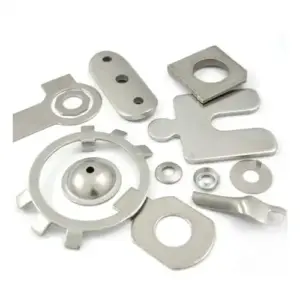
Custom Deep Drawing Metal Stamping Services
Techsun provides custom deep drawing metal stamping services for OEM manufacturers requiring metal components with deep cavities, formed profiles, and complex three-dimensional geometries.
We support deep drawing projects based on customer drawings and material specifications, evaluating material formability, sheet thickness, drawing depth, tooling requirements, and critical dimensions before production.
Our manufacturing capabilities include hydraulic deep drawing, multi-stage forming, in-house die development, and secondary manufacturing operations.
From initial engineering review and tooling development to sample approval and production, Techsun works with OEM customers to evaluate forming feasibility and develop suitable manufacturing solutions.
Deep Drawing Metal Stamping Capabilities
Deep drawing transforms flat metal blanks into three-dimensional components by forming the material into a die cavity using a punch.
The process can produce components with hollow, cylindrical, rectangular, stepped, and other formed geometries, depending on material properties and tooling design.
Techsun evaluates deep drawing projects according to the component’s geometry, material specification, thickness, forming depth, and production requirements.
Hydraulic Deep Drawing
Hydraulic deep drawing can be considered for components requiring controlled forming operations and specific drawing characteristics.
The appropriate equipment and forming parameters depend on material properties, component dimensions, drawing depth, and tooling design.
Multi-Stage Deep Drawing
Some components require multiple drawing stages to achieve the specified geometry.
Intermediate forming operations are planned according to material flow, deformation severity, wall condition, and final dimensional requirements.
Complex Deep-Formed Components
Deep drawing can produce components with recessed, hollow, and other three-dimensional structures.
Engineering review considers the relationship between drawing depth, corner radii, wall thickness, material condition, and the risk of forming defects.
Deep Drawing Process and Engineering Evaluation
Successful deep drawing depends on more than press capacity. Material behavior, blank geometry, die design, and forming conditions must work together.
Material and Blank Evaluation
The specified material grade, temper, thickness, and blank dimensions are reviewed before tooling development.
Material properties and forming characteristics influence the feasible drawing depth and forming sequence.
Drawing Sequence Development
The forming sequence is determined according to the component geometry and required deformation.
Depending on the design, operations may include initial drawing, redrawing, trimming, piercing, and restriking.
Forming Parameter Evaluation
Important parameters include punch geometry, die radius, blank holder force, tooling clearance, lubrication, and forming conditions.
These factors influence material flow, wall thickness, surface condition, and dimensional consistency.
Dimensional and Geometry Review
Critical dimensions, corner transitions, formed depths, and assembly interfaces are identified during engineering review.
The objective is to develop a practical manufacturing process that meets the approved drawing requirements.
Deep Drawing Die Design and Manufacturing
Tooling design plays an important role in the quality and repeatability of deep drawn components.
Techsun develops deep drawing dies according to customer drawings, material specifications, and production requirements.
Die Design and Process Planning
Die structures, punch and die geometry, blank holder arrangements, and forming sequences are evaluated according to the component design.
CAE and FEA Forming Analysis
Engineering analysis can be used to evaluate material flow and identify potential forming risks, including excessive thinning, tearing, and wrinkling.
Analysis results help guide tooling and process adjustments where applicable.
Die Manufacturing and Assembly
Tooling components are manufactured, assembled, and prepared for trial forming according to the approved design.
Die Tryout and Process Adjustment
Initial forming trials help evaluate component geometry, surface condition, and critical dimensions.
Tooling and process parameters can be adjusted based on sample inspection results before production approval.
Materials for Deep Drawing Metal Stamping
Material selection influences forming feasibility, component strength, surface condition, and production requirements.
Techsun evaluates material specifications according to the customer’s drawings and the characteristics of the proposed component.
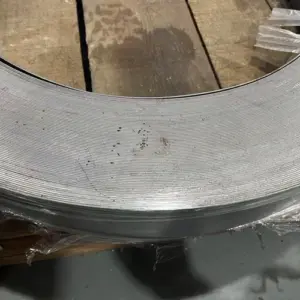
Stainless steel
Stainless steel can be considered for components requiring corrosion resistance and specific mechanical or surface properties.
Grade, temper, thickness, and forming characteristics must be reviewed before selecting a suitable deep drawing process.
Learn more about our Stainless Steel Stamping capabilities.
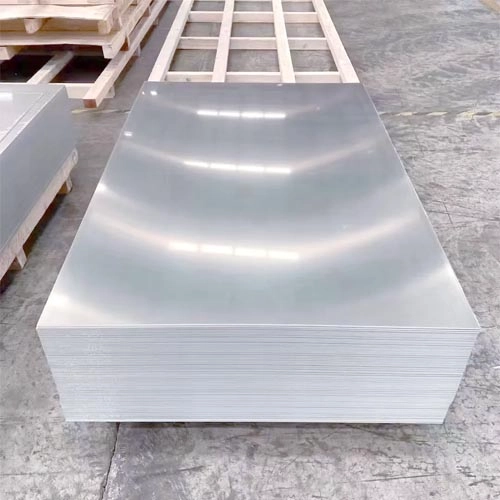
Aluminum steel
Selected aluminum grades and tempers may be evaluated for deep drawn components where weight and material formability are important considerations.
Learn more about our Aluminum Stamping Services.
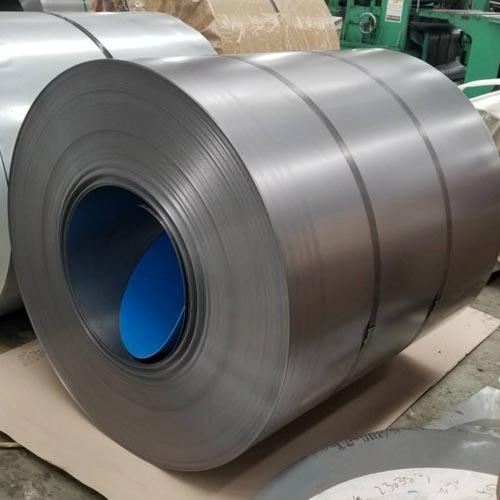
Carbon Steel and Low-Carbon Steel
Carbon steel materials may be suitable for components requiring structural strength and specific forming characteristics.
Material grade, thickness, and condition are considered during process planning.
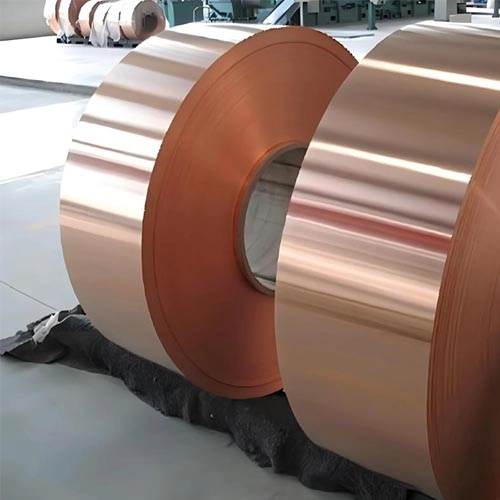
Copper and Brass
Copper and brass may be evaluated for suitable forming applications according to material properties, component geometry, and project requirements.
Their suitability for deep drawing should be confirmed individually rather than assumed from general stamping capability.
Deep Drawing Defect Prevention and Process Control
Common deep drawing defects can affect dimensional accuracy, component strength, and surface quality.
Techsun evaluates potential forming risks during engineering review and tooling development.
Wrinkling Prevention
Wrinkling can occur when material flow and compressive stresses are not adequately controlled.
Blank holder force, die geometry, material properties, and forming conditions are evaluated to reduce this risk.
Tearing and Cracking Prevention
Excessive material deformation can lead to thinning, tearing, or cracking.
Material formability, corner radii, drawing depth, and forming sequence are reviewed to reduce excessive local deformation.
Wall Thickness Control
Wall thickness variation is influenced by material flow, geometry, and forming conditions.
Critical wall sections are identified according to the component’s functional and dimensional requirements.
Springback and Dimensional Stability
Springback can influence final component geometry and dimensional consistency.
Tooling design and process adjustments are evaluated where necessary to achieve the required shape and assembly dimensions.
Applications

Motor cover deep drawing metal Stamping

Kitchenware deep drawing
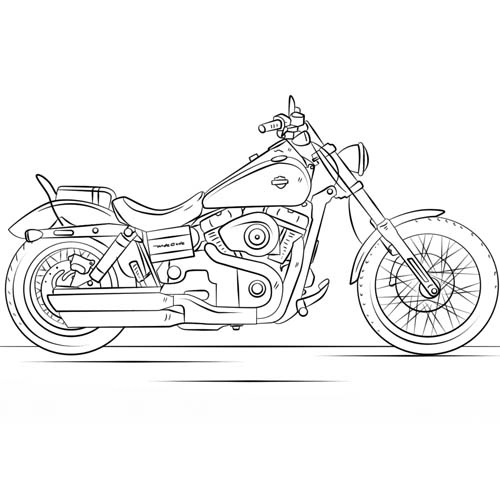
motorcycle deep drawing

Automated equipment part deep drawing
Quality Inspection for Deep Drawn Metal Parts
Techsun evaluates finished components according to customer drawings, material specifications, and agreed quality requirements.
Dimensional Inspection
Critical dimensions, formed depths, hole positions, and specified geometric features are checked using suitable measurement methods.
Wall Thickness and Formed Geometry
Where required, wall thickness variation and formed profiles are evaluated against project specifications.
Surface Condition Inspection
Components are inspected for relevant surface defects, including scratches, dents, and forming-related marks according to agreed acceptance criteria.
Crack and Wrinkle Inspection
Formed areas are checked for visible cracking, tearing, wrinkling, and other defects that may affect component performance.
Material Documentation
Material certificates and other traceability documentation can be provided according to project specifications and agreed quality requirements.
Inspection methods, sampling frequency, and reporting requirements are established according to the component’s critical characteristics.
Deep Drawing Manufacturing Workflow
Techsun supports deep drawing projects through a structured manufacturing process.
1. Drawing Review
Customers provide 2D drawings, 3D CAD models, material specifications, and production requirements.
2. DFM and Formability Evaluation
Our engineering team reviews material properties, drawing geometry, forming depth, and potential manufacturing challenges.
3. Deep Drawing Die Development
Tooling design and manufacturing are planned according to the approved component geometry and forming sequence.
4. Prototype and Sample Evaluation
Initial samples are manufactured and inspected against agreed drawing requirements. Sample timing depends on tooling complexity and project requirements.
5. Production and Quality Inspection
After sample approval, production proceeds according to the agreed specifications and inspection plan.
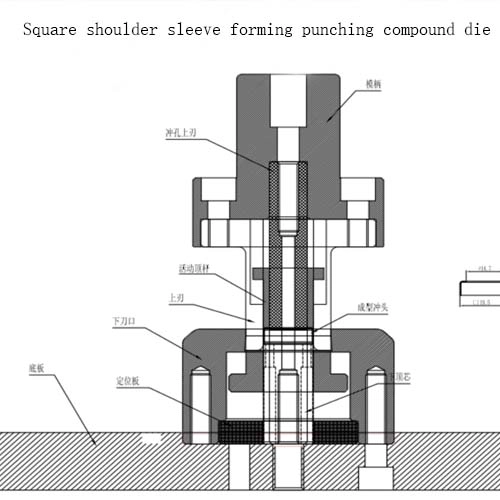
Die design
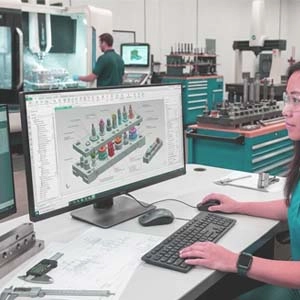
Material flow analysis
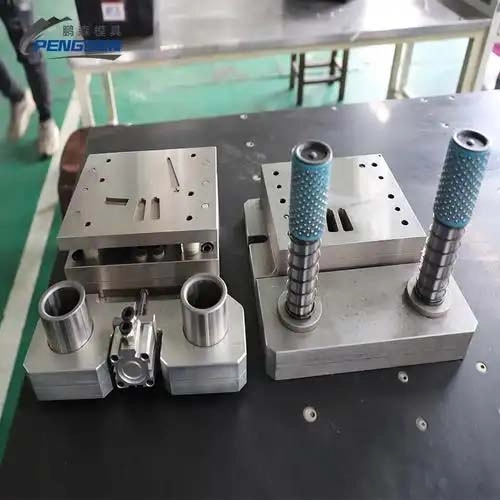
Die machining
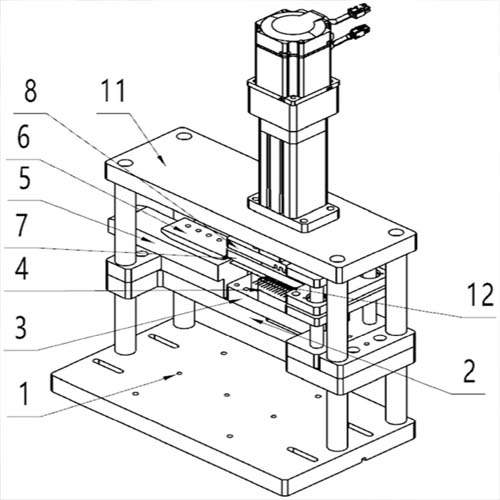
die assembly
Why Choose Techsun for Deep Drawing Metal Stamping
In-House Tooling Development
Techsun develops custom stamping and deep drawing dies according to customer drawings and production requirements.
Broad Press Capacity
Our press fleet covers 25 to 500 tons. The appropriate equipment is selected according to component geometry, material thickness, forming force, and tooling requirements.
Engineering and Forming Analysis
Engineering review and CAE/FEA analysis help evaluate material flow and potential forming risks during tooling development.
Prototype and Production Support
We support project development from drawing review and tooling preparation through initial samples and production planning.
Integrated Manufacturing Operations
Depending on project requirements, secondary operations can include CNC bending, welding, riveting, PEM fastening, and assembly.
Quality Management
Techsun is ISO 9001:2015 certified and follows drawing-based inspection and agreed quality requirements.
Deep Drawing Metal Stamping FAQs
What is deep drawing metal stamping?
Deep drawing is a metal forming process that transforms flat sheet metal blanks into hollow or three-dimensional components using a punch and die.
It is suitable for selected components requiring greater depth than conventional shallow forming operations.
What materials can be used for deep drawing?
Material suitability depends on alloy, temper, thickness, ductility, and component geometry.
Stainless steel, low-carbon steel, aluminum, and other suitable materials can be evaluated according to project specifications.
Can deep drawing require multiple forming stages?
Yes. Components with greater drawing depth or complex geometries may require multiple drawing and forming operations.
The forming sequence depends on material properties, deformation requirements, and tooling design.
What causes wrinkles in deep drawn parts?
Wrinkling can result from excessive compressive stresses and uncontrolled material flow.
Blank holder force, die geometry, material properties, and forming parameters are important factors in reducing this defect.
What causes cracking during deep drawing?
Cracking may occur when local material deformation exceeds the material’s forming capability.
Material selection, drawing depth, corner radii, thickness, and forming sequence should be evaluated during engineering review.
Does Techsun manufacture its own deep drawing dies?
Techsun supports in-house tooling design and development for custom deep drawing projects. Tooling structures and manufacturing processes are determined according to component geometry and production requirements.
What information is required for a deep drawing quotation?
Please provide:
- 2D engineering drawings or 3D CAD models
- Material grade and temper
- Material thickness
- Component dimensions and drawing depth
- Critical tolerances
- Expected production quantity
- Surface and inspection requirements
Our engineering team will review the information and evaluate manufacturing feasibility.
Request a Quote for Custom Deep Drawing Metal Stamping
Looking for a manufacturing partner for complex deep drawn metal components?
Send Techsun your engineering drawings, material specifications, and expected production quantities.
Our team will review your component geometry, material formability, tooling requirements, and critical inspection criteria to discuss a suitable manufacturing approach.