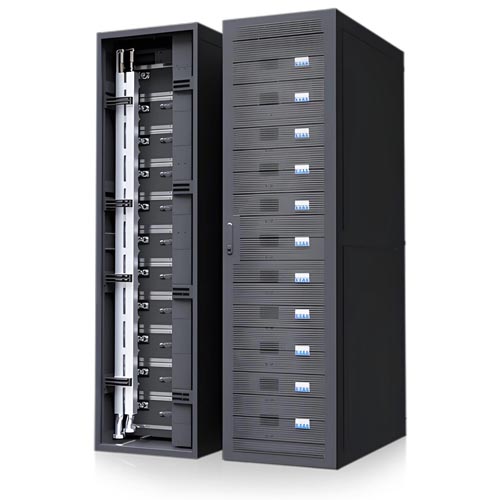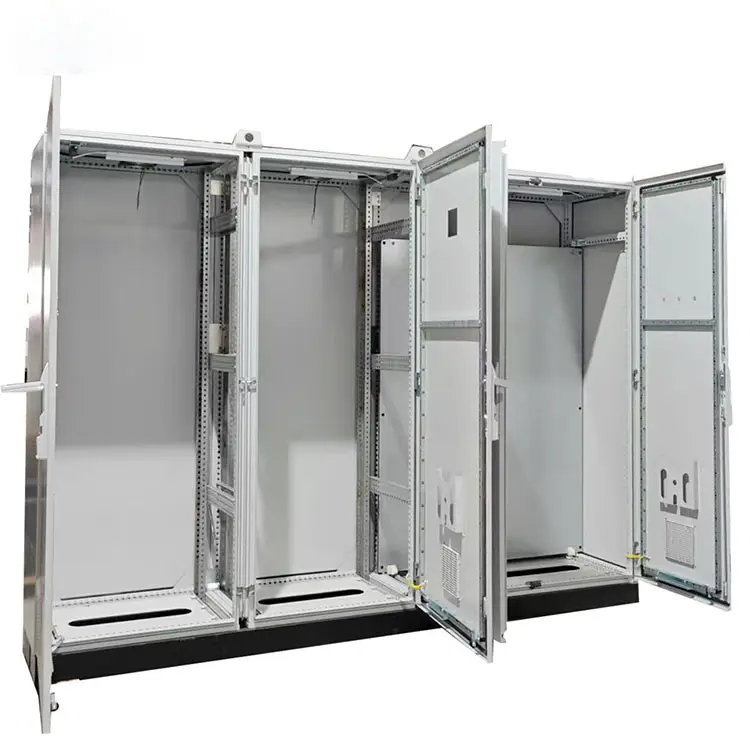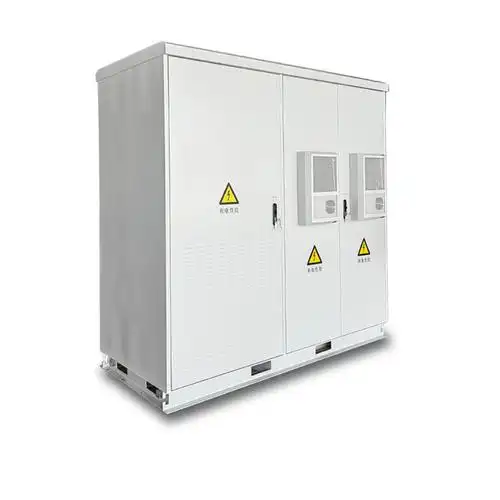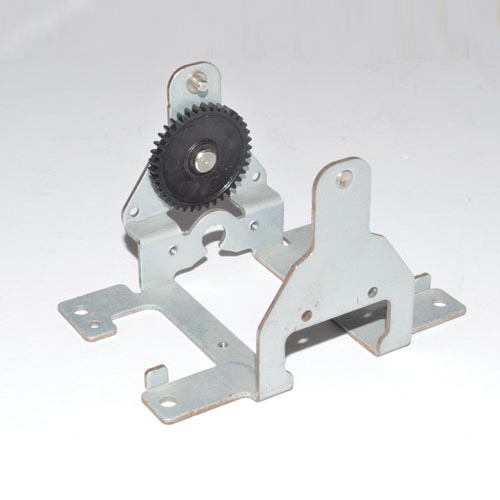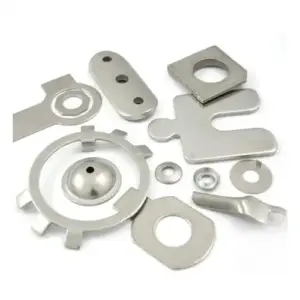
Customized Network Cabinets
Product Details:
Products name: Customized Network Cabinets
Specifications: Customization
Material: SPCC
Material Thickness: 2.0mm
Customization: Yes
Description
Sheet Metal Network Cabinet Manufacturing Process | Professional Sheet Metal Fabrication
Sheet metal network cabinets are protective enclosures manufactured through advanced sheet metal fabrication processes using equipment such as laser cutting machines, CNC punching machines, bending machines, welding equipment, and foaming systems.
Due to their excellent structural strength, durability, and adaptability, network sheet metal cabinets are widely used in various industries, including:
Communication equipment cabinets;
Power distribution cabinets;
Server cabinets;
Industrial control cabinets;
Outdoor equipment enclosures.
As an important component for protecting electronic and electrical equipment, sheet metal cabinets require strict control of material selection, precision processing, surface treatment, and assembly quality to ensure reliable performance in different operating environments.
Sheet Metal Network Cabinet Manufacturing Process
The manufacturing process of sheet metal cabinets mainly includes:
Material cutting → punching → CNC processing → bending → welding → riveting → assembly → surface treatment → final inspection
Through a combination of precision equipment and skilled craftsmanship, flat metal sheets are transformed into strong, accurate, and functional cabinet structures.
1. Sheet Metal Blanking Process
Blanking is the first step in sheet metal cabinet manufacturing. It involves cutting raw metal sheets into required shapes and sizes according to engineering drawings.
The commonly used blanking methods include:
① Shearing
Shearing is mainly used for preparing simple sheet metal blanks before further processing.
Advantages:
Low processing cost;
High efficiency for straight-line cutting;
Suitable for basic strip and plate materials.
However, shearing is mainly limited to simple shapes without complex holes or chamfers, and its general processing accuracy is around 0.2mm.
② Punching
Punching uses a stamping machine and specially designed molds to process flat metal sheets into various shapes.
Advantages include:
Fast processing speed;
High production efficiency;
Good dimensional accuracy;
Suitable for large-volume production.
Common punching operations include:
Punching holes;
Cutting corners;
Blanking;
Embossing;
Tearing;
Piercing;
Forming.
Because punching relies on dedicated molds, it is especially suitable for standardized mass production.
③ CNC Punching
CNC punching uses computer-controlled machines to process sheet metal components according to programmed drawings.
The process involves converting the developed sheet metal drawing into CNC machining data, allowing the machine to automatically complete complex punching operations.
Features:
Flexible processing capability;
Suitable for small and medium production batches;
Ability to process various hole patterns and structures;
Processing accuracy can reach approximately 0.15mm.
④ Laser Cutting
Laser cutting is one of the most advanced sheet metal processing technologies.
The process uses a high-energy laser beam to cut precise shapes from metal sheets based on programmed CAD drawings.
Advantages:
Excellent cutting precision;
Ability to process complex geometries;
Smooth cutting edges;
No need for dedicated molds.
Laser cutting accuracy can generally reach approximately 0.1mm, making it ideal for high-precision cabinet manufacturing.
⑤ Saw Cutting
Saw cutting is mainly used for processing:
Aluminum profiles;
Square tubes;
Round bars;
Structural materials.
It has advantages of low cost and simple operation but provides lower precision compared with laser cutting and CNC machining.
2. Sheet Metal Fitter Operations
After cutting and forming, additional mechanical processing is required to complete cabinet components.
Common fitter operations include:
Countersinking;
Thread tapping;
Reaming;
Drilling.
Countersinking is commonly used for installing flat-head screws and rivets. Typical countersink angles include:
120° for rivet applications
90° for countersunk screws
Thread tapping is performed according to standard metric or imperial specifications to ensure reliable fastening.
3. Flanging Process
Flanging, also known as hole expansion or hole drawing, is a common process in sheet metal fabrication.
During this process, a smaller pre-drilled hole is expanded into a larger opening with a raised edge, followed by tapping to increase thread depth and improve connection strength.
Benefits:
Improves thread reliability;
Prevents screw stripping;
Increases service life;
Suitable for thin sheet metal applications.
4. Riveting Process
Riveting is used to connect sheet metal components with hardware parts, creating either removable or permanent joints.
Common riveting methods include:
Hydraulic riveting;
Press riveting;
Expansion riveting.
Riveting provides:
Strong mechanical connection;
High assembly efficiency;
Reduced welding deformation.
During production, attention must be paid to riveting direction and positioning accuracy to ensure proper assembly.
5. Sheet Metal Bending Process
Bending is a critical process that transforms flat metal sheets into three-dimensional cabinet structures.
The process is completed using:
CNC press brakes;
Customized bending dies.
Proper bending sequence is essential. Generally:
Non-interfering bends should be completed first;
Complex or obstructed bends should be processed afterward.
In some cases, the production sequence may involve:
Bending → riveting → secondary bending or Riveting → bending
depending on the product structure and assembly requirements.
6. Welding Process
Welding is an important joining method in sheet metal cabinet manufacturing. Different materials and structural requirements require different welding technologies.
CO₂ Gas Shielded Welding
CO₂ welding is widely used for carbon steel cabinet fabrication.
Advantages:
High welding efficiency;
Low production cost;
Low energy consumption;
Good mechanical strength;
Excellent corrosion resistance after surface treatment.
It is suitable for large-scale cabinet production.
Argon Arc Welding (TIG Welding)
Argon arc welding is commonly used for:
Stainless steel cabinets;
Aluminum alloy structures;
High-quality appearance requirements.
Advantages:
Excellent welding appearance;
Minimal oxidation;
Suitable for precision welding.
However, compared with CO₂ welding, it has:
Lower welding speed;
Lower production efficiency;
Higher processing cost.
Professional Sheet Metal Cabinet Manufacturing Capability
High-quality sheet metal cabinets require not only advanced equipment but also strict production management, experienced engineers, and comprehensive quality control.
A professional sheet metal cabinet manufacturer should have capabilities including:
Precision laser cutting;
CNC punching and bending;
Automated welding;
Surface finishing;
Assembly testing;
Customized cabinet design.
Through advanced manufacturing technology and strict quality standards, sheet metal fabrication companies can provide reliable solutions for communication cabinets, power cabinets, server enclosures, and industrial equipment protection systems.