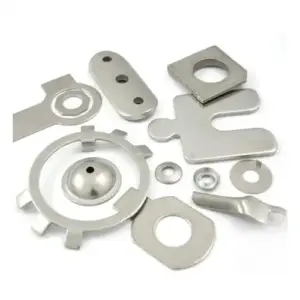
High-Quality Parts Manufacturer
Techsun parts processing and manufacturing, specializing in high-precision sheet metal processing, precise laser cutting, and free design customization.
After receiving the drawings from our partners, we first assess the product structure, then consider the feasibility of mass production, and finally provide a quotation.
Our design team analyzes the drawings to determine the most suitable manufacturing process. For example, some parts are suitable for stamping while others are suitable for laser cutting sheet metal processing. We first determine the production process and manufacturability to shorten the time required, and then optimize the molds to improve efficiency for faster production.
How to cooperate with us
For many years, we have focused on metal stamping parts and automated molds, providing professional guidance solutions to help customers effectively improve quality and reduce costs. We build our brand through quality and service, and are a service provider recommended by many partners.
Upload your files such as CAD, STPE, etc.
Next, you will be given detailed information, such as materials, surface treatment, quantity, delivery time, and desired outcome. You will then receive an accurate quote, and you can place your order.
After Techsun completes production and processing, a quality inspection report will be sent to you for your convenience. Once approved, the report will be sent to you.
Project Launch and Mold Design
Alternatively, you can tell us your ideas and work them out into manufacturable designs. Our team will help you bring these ideas to life through sheet metal laser cutting or stamping; we provide all the solutions.
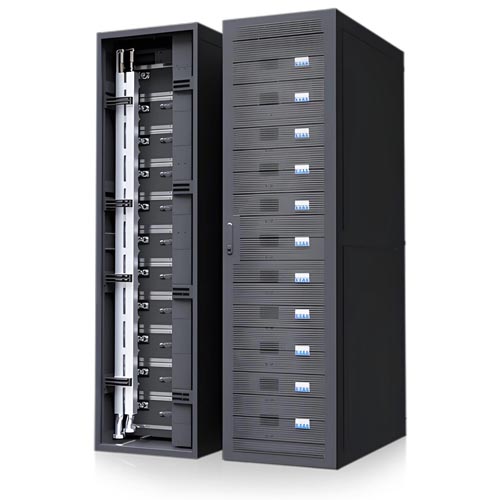
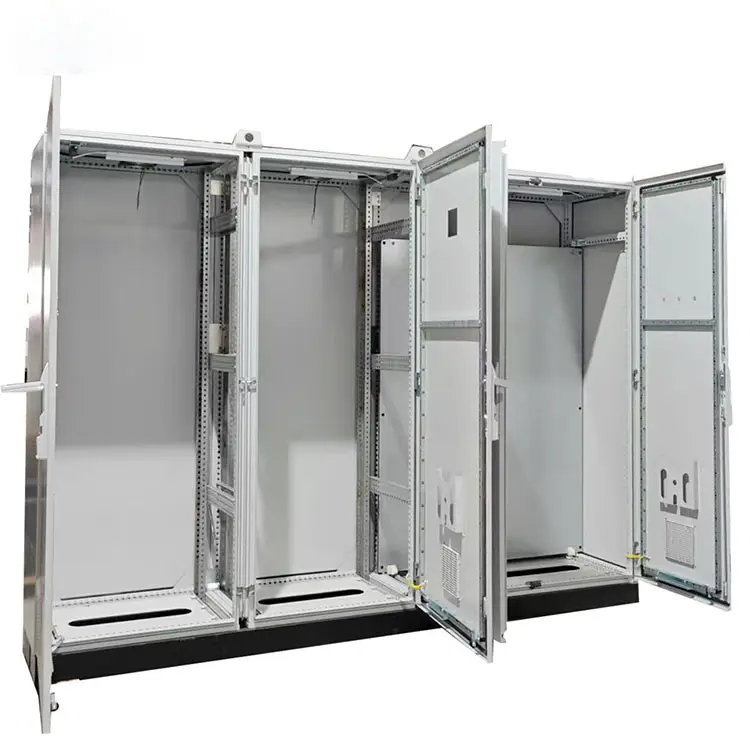
- Server Metal Casing Manufacturing
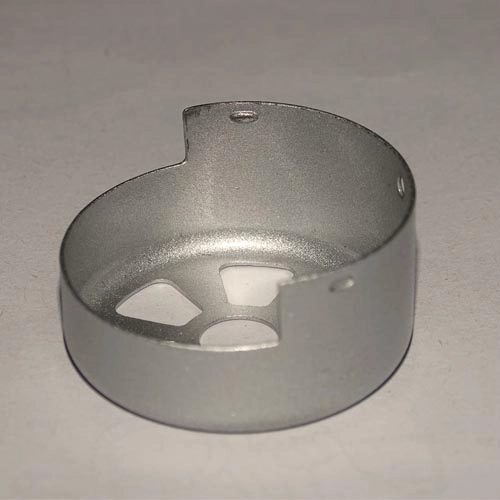
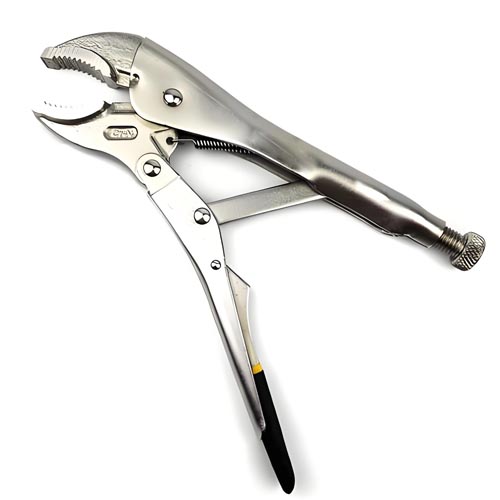
- Metal stamping manufacturing
How to Improve the Performance of Progressive Dies for Precision Stamping Parts?
In the metal sheet stamping industry, equipment and dies are the two core elements determining product quality and production efficiency. For stamping manufacturers, high-performance stamping equipment ensures stable production efficiency, while high-precision dies directly determine the dimensional accuracy, appearance quality, and consistency of the products.
As the manufacturing industry continues to develop towards higher precision and higher efficiency, the application of various stamping dies in industrial production is becoming increasingly widespread. Among them, progressive dies, due to their ability to achieve continuous, multi-stage automated stamping production, have become one of the most commonly used dies in precision metal parts processing. However, progressive die manufacturing requires extremely high precision; any minute error can affect the final product quality. Therefore, how to improve the overall performance of progressive dies has always been an important research direction in the die manufacturing field.
To improve the performance of progressive dies, the precision of die processing must be guaranteed first. In the design, processing, assembly, and inspection of dies, tolerances must be strictly controlled at every stage. Even small dimensional deviations can affect the fitting accuracy between various parts of the die, leading to unstable stamped parts dimensions, increased burrs, deformation, or even product scrap.
Machining accuracy refers to the degree to which the actual dimensions, geometry, and relative positions of a machined part conform to the requirements of the design drawings. Machining accuracy mainly includes three aspects:
Dimensional accuracy: Ensuring that the actual dimensions of the part meet the design tolerance requirements;
Form accuracy: Ensuring that the geometric shapes of planes, cylinders, circular holes, curved surfaces, etc., meet the design standards;
Positional accuracy: Ensuring that the machined surfaces maintain correct positional relationships such as parallelism, perpendicularity, coaxiality, and symmetry.
Only by continuously improving mold design capabilities, machining process levels, and inspection accuracy can the service life and stability of progressive dies be effectively improved, thereby producing precision stamped parts with consistent dimensions and reliable quality, providing a strong guarantee for enterprises to achieve efficient and stable mass production.